Why Storm Chasing Saves Lives and Property
- Emery Hayward
- May 3
- 4 min read

Storm chasing is often seen as a thrilling adventure, but it serves a much more significant purpose. Beyond the adrenaline rush of tracking severe weather, storm chasers play a crucial role in saving lives and protecting property. This blog post will explore how storm chasing contributes to public safety, the science behind it, and the impact it has on communities.
Understanding Storm Chasing
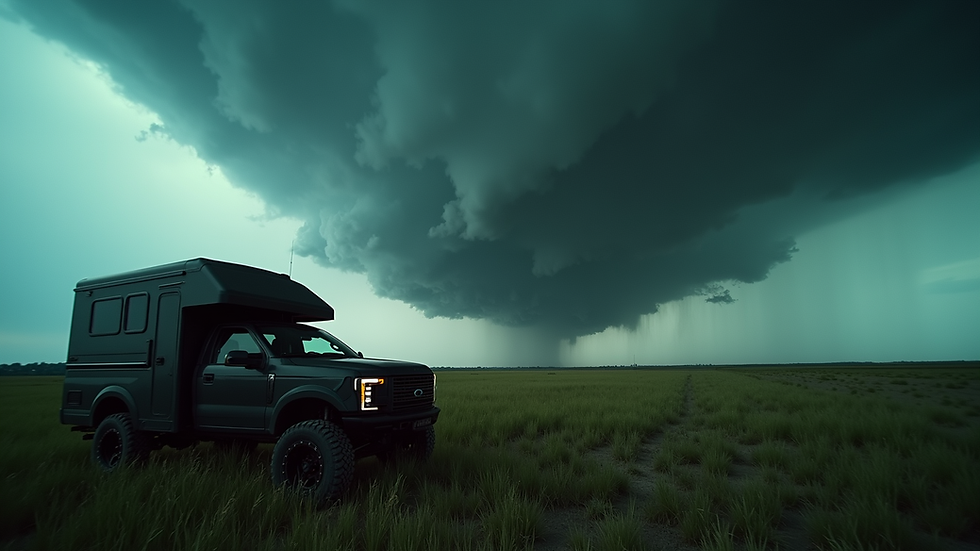
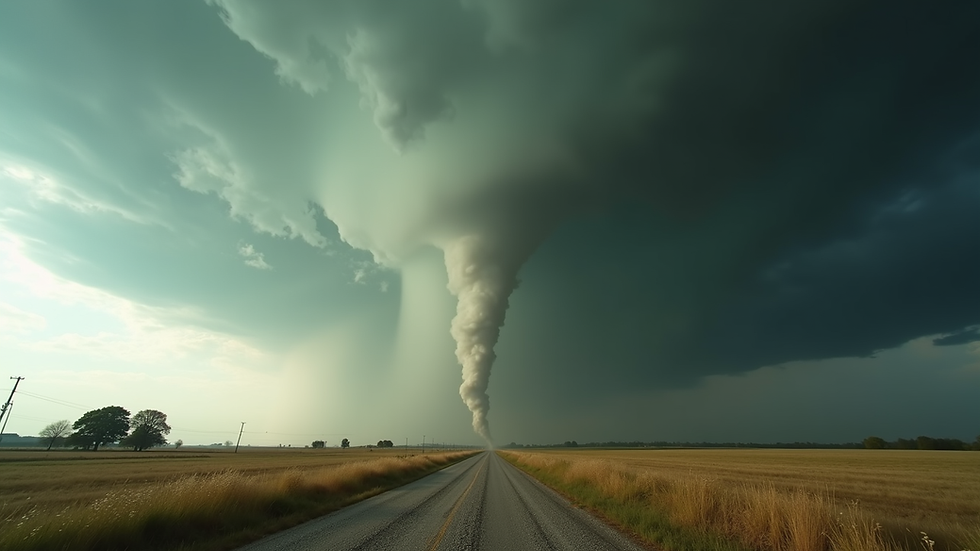
Storm chasing involves pursuing severe weather events, such as tornadoes, thunderstorms, and hurricanes, to gather data and provide real-time information. While it may seem reckless to some, storm chasers are often trained professionals, including meteorologists, researchers, and emergency responders. Their goal is to observe and document severe weather phenomena to improve forecasting and public safety.
The Role of Technology in Storm Chasing
Advancements in technology have transformed the way storm chasers operate. Equipped with high-tech tools, they can monitor weather patterns, track storms, and communicate vital information to the public. Some of the key technologies used in storm chasing include:
Doppler Radar: This technology allows chasers to detect precipitation and wind patterns, helping them identify severe weather conditions.
GPS Tracking: Chasers use GPS devices to navigate to storm locations quickly and safely.
Mobile Weather Stations: These portable stations collect data on temperature, humidity, and wind speed, providing valuable information for analysis.
How Storm Chasing Saves Lives
Early Warning Systems
One of the primary ways storm chasers save lives is through early warning systems. By monitoring storms in real-time, they can provide timely alerts to communities in the path of severe weather. This early warning allows residents to take necessary precautions, such as seeking shelter or evacuating if needed.
For example, during the 2011 Joplin tornado, storm chasers provided critical information to local authorities, enabling them to issue timely warnings. As a result, many lives were saved, and the community was better prepared for the disaster.
Data Collection for Research
Storm chasers contribute to scientific research by collecting data during severe weather events. This data is invaluable for improving weather models and forecasting techniques. By understanding the dynamics of storms, meteorologists can enhance their predictions, leading to more accurate warnings for the public.
In 2013, a team of storm chasers collected data from a tornado outbreak in Oklahoma. Their findings helped researchers identify patterns that could lead to better forecasting in the future, ultimately saving lives during subsequent storms.
Community Engagement and Education
Storm chasers often engage with local communities to educate residents about severe weather preparedness. By sharing their experiences and knowledge, they empower individuals to take action during storms. This community engagement is vital in fostering a culture of preparedness, which can significantly reduce the impact of severe weather.
For instance, many storm chasers participate in school programs, teaching students about weather phenomena and safety measures. This education not only informs the younger generation but also encourages families to discuss and plan for severe weather events.
The Impact on Property Protection
Minimizing Damage Through Preparedness
Storm chasers play a crucial role in minimizing property damage by promoting preparedness. When communities receive timely warnings and education, they can take proactive measures to protect their homes and businesses. This may include reinforcing structures, securing outdoor items, and creating emergency plans.
In 2019, a series of tornadoes struck parts of Alabama. Communities that had engaged with storm chasers and implemented preparedness measures experienced significantly less damage compared to those that had not. This highlights the importance of storm chasers in promoting property protection.
Insurance and Recovery
The data collected by storm chasers also aids insurance companies in assessing damage and determining claims. Accurate information about the severity and path of storms allows insurers to respond more effectively to policyholders. This can expedite recovery efforts for individuals and businesses affected by severe weather.
For example, after a major storm event, insurance adjusters rely on data from storm chasers to evaluate claims accurately. This collaboration ensures that affected parties receive the support they need to rebuild and recover.
The Ethics of Storm Chasing
While storm chasing has its benefits, it also raises ethical questions. Some argue that the presence of chasers can distract emergency responders or put themselves and others in danger. It is essential for storm chasers to operate responsibly and prioritize safety.
Responsible Chasing Practices
To mitigate risks, storm chasers should adhere to responsible practices, such as:
Staying Informed: Chasers must stay updated on weather conditions and follow guidelines from meteorological agencies.
Avoiding Crowded Areas: Chasers should avoid congested roads and prioritize safety over getting the perfect shot.
Collaborating with Authorities: Working alongside emergency responders can enhance the effectiveness of storm chasing efforts.
By following these practices, storm chasers can continue to contribute positively to public safety while minimizing potential risks.
Conclusion
Storm chasing is more than just an adrenaline-fueled pursuit; it is a vital activity that saves lives and protects property. Through early warnings, data collection, and community engagement, storm chasers play a crucial role in enhancing public safety during severe weather events. As technology continues to advance, the impact of storm chasing will only grow, making it an essential component of our response to natural disasters.
As we continue to face the challenges posed by severe weather, it is essential to recognize the importance of storm chasers and support their efforts. Whether you are a seasoned chaser or simply someone interested in weather, understanding the role of storm chasing can help foster a safer and more prepared community.
Comments