Top Tips for Effective Storm Chasing and Safety
- Emery Hayward
- May 3
- 3 min read

Storm chasing can be an exhilarating experience, offering a unique opportunity to witness nature's raw power. However, it also comes with significant risks. Whether you're a seasoned storm chaser or a curious beginner, understanding how to chase storms safely is crucial. This guide provides essential tips for effective storm chasing while prioritizing your safety.
Understanding Storm Chasing
What is Storm Chasing?
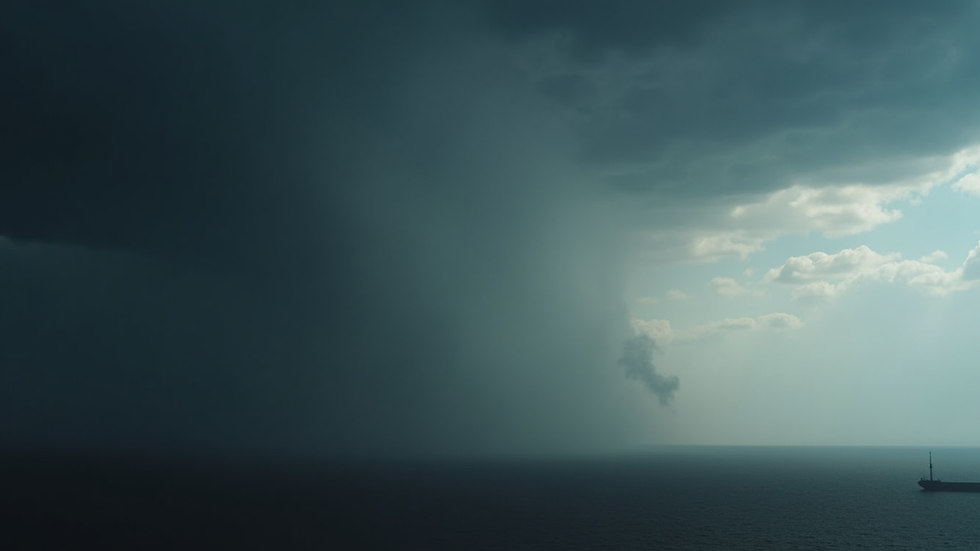
Storm chasing involves pursuing severe weather phenomena, such as tornadoes, thunderstorms, and hurricanes, to observe and document them. Many storm chasers are meteorologists, photographers, or enthusiasts who seek to capture the beauty and intensity of storms.
Why Do People Chase Storms?
People chase storms for various reasons, including:
Scientific Research: Meteorologists study storms to improve forecasting and understand weather patterns.
Photography: Capturing stunning images of storms can be rewarding.
Adventure: The thrill of witnessing powerful weather events attracts many to storm chasing.
Preparing for Your Chase
Research and Planning
Before heading out, thorough research is essential. Here are some steps to consider:
Understand Weather Patterns: Familiarize yourself with meteorological concepts, such as fronts, pressure systems, and storm development.
Use Reliable Forecasting Tools: Websites and apps like the National Weather Service, Weather Underground, and RadarScope provide real-time updates.
Choose Your Location Wisely: Identify regions prone to severe weather, such as Tornado Alley in the United States.
Essential Gear
Having the right equipment can make a significant difference in your storm chasing experience. Consider packing:
Weather Radio: Stay updated on severe weather alerts.
GPS Device: Navigate safely to your target area.
Camera: Capture stunning visuals of storms.
First Aid Kit: Be prepared for emergencies.
Safety First
Know the Risks
Storm chasing can be dangerous. Be aware of the following risks:
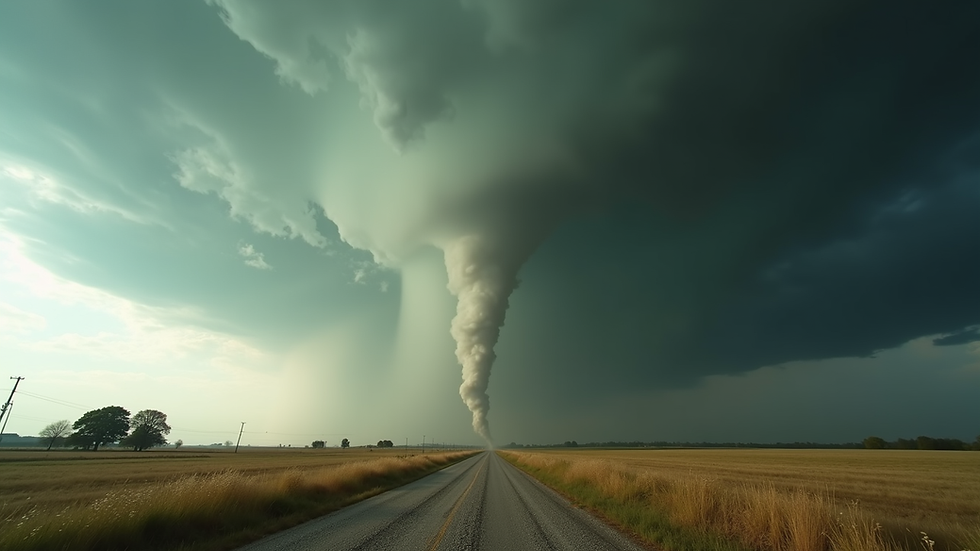
Tornadoes: These can form rapidly and cause destruction.
Flash Flooding: Heavy rains can lead to sudden flooding.
Lightning: Storms increase the risk of lightning strikes.
Safety Tips
Always Have an Escape Plan: Know the quickest route to safety in case conditions worsen.
Avoid Driving into Flooded Areas: Turn around if you encounter flooded roads.
Stay Informed: Continuously monitor weather updates and alerts.
Chasing Techniques
Positioning Yourself
Finding the right spot to observe storms is crucial. Here are some tips:
Stay Downwind: Position yourself downwind of the storm to avoid debris and dangerous winds.
Keep a Safe Distance: Maintain a safe distance from the storm to ensure your safety.
Use Elevation: If possible, find higher ground for a better view of the storm.
Documenting Your Experience
Capturing the beauty of storms can be rewarding. Here are some tips for effective documentation:
Use a Tripod: Stabilize your camera for clear shots.
Experiment with Settings: Adjust your camera settings for different lighting conditions.
Be Patient: Wait for the right moment to capture stunning images.
Post-Chase Considerations
Review Your Experience
After your chase, take time to reflect on your experience. Consider the following:
What Worked Well?: Identify successful strategies and techniques.
What Could Be Improved?: Learn from any mistakes to enhance future chases.
Share Your Findings
Sharing your experiences can benefit others in the storm chasing community. Consider:
Writing a Blog Post: Document your chase and share insights.
Joining Online Forums: Engage with other storm chasers to exchange tips and experiences.
Conclusion
Storm chasing can be a thrilling adventure, but safety should always be your top priority. By preparing adequately, understanding the risks, and employing effective chasing techniques, you can enjoy the beauty of storms while minimizing danger. Remember to stay informed, respect nature, and share your experiences with others. Happy chasing!
Comments