Understanding Tornado Preparedness with Bad Ass Storm Chaser
- Emery Hayward
- May 3
- 3 min read

Tornadoes are among nature's most powerful and destructive forces. They can form with little warning, leaving devastation in their wake. For those who live in tornado-prone areas, understanding how to prepare for these storms is crucial. In this post, we will explore tornado preparedness strategies, insights from experienced storm chasers, and practical tips to keep you and your loved ones safe.
What is a Tornado?
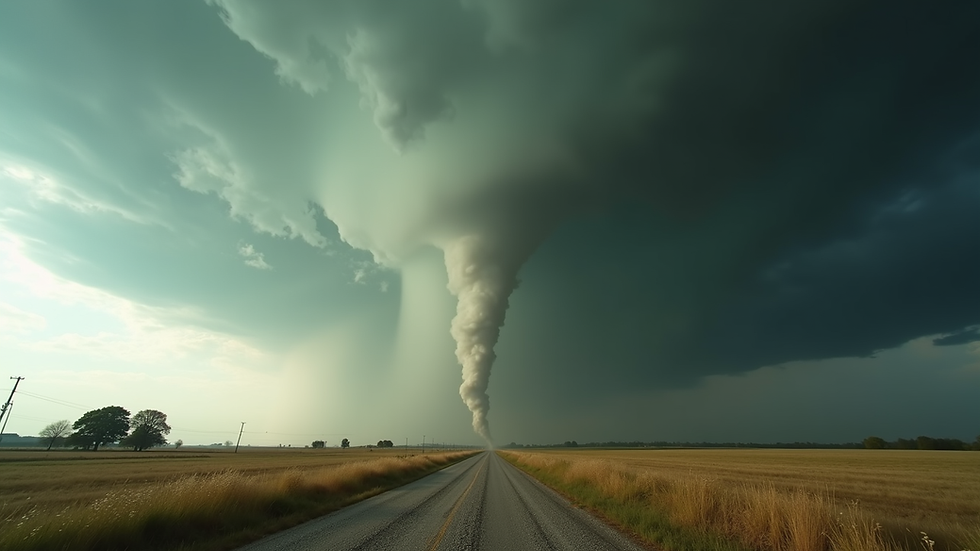
A tornado is a rapidly rotating column of air that extends from a thunderstorm to the ground. Tornadoes can vary in size, shape, and intensity, with the strongest tornadoes classified as EF5 on the Enhanced Fujita Scale. These storms can produce winds exceeding 200 miles per hour, capable of obliterating buildings and uprooting trees.
How Tornadoes Form
Tornadoes typically form in severe thunderstorms, particularly supercells, which are characterized by a rotating updraft called a mesocyclone. The conditions that contribute to tornado formation include:
Warm, moist air at the surface
Cool, dry air aloft
Wind shear, which is a change in wind speed and direction with height
When these elements combine, they can create the conditions necessary for a tornado to develop.
The Importance of Tornado Preparedness
Being prepared for a tornado can make a significant difference in ensuring safety. Tornadoes can strike with little warning, so having a plan in place is essential. Preparedness involves understanding the risks, having the right supplies, and knowing what to do when a tornado warning is issued.
Key Components of Tornado Preparedness
Stay Informed
Monitor local weather reports and alerts.
Use weather apps or NOAA Weather Radio for real-time updates.
Create a Family Emergency Plan
Designate a safe location in your home, such as a basement or interior room on the lowest floor.
Practice tornado drills with your family to ensure everyone knows what to do.
Build an Emergency Kit
Include essential items such as water, non-perishable food, a flashlight, batteries, a first aid kit, and important documents.
Know the Difference Between Watches and Warnings
A tornado watch means conditions are favorable for tornadoes to develop.
A tornado warning indicates that a tornado has been sighted or indicated by radar.
Insights from Bad Ass Storm Chaser
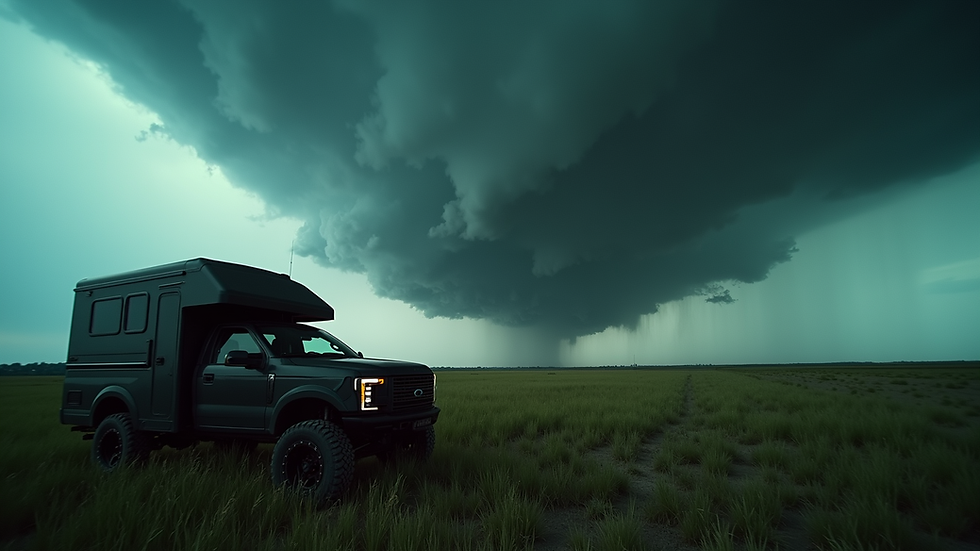
Storm chasers are individuals who pursue severe weather events to study and document them. Their experiences provide valuable insights into tornado preparedness. Here are some tips from seasoned storm chasers:
Understanding Tornado Behavior
Tornadoes can change direction quickly. Always have multiple escape routes planned.
Not all tornadoes are visible. Some may be wrapped in rain, making them difficult to see until it's too late.
Equipment and Technology
Invest in a reliable weather radio. This can provide alerts even when your phone is not accessible.
Use radar apps that show real-time storm tracking. This can help you make informed decisions about when to seek shelter.
Safety Gear
Wear sturdy shoes and a helmet if you are in a storm-prone area. This can protect you from debris.
Have a whistle in your emergency kit. If you become trapped, you can use it to signal for help.
Practical Tips for Tornado Preparedness
At Home
Secure outdoor items that could become projectiles during a tornado.
Reinforce your home if you live in a high-risk area. This may include installing storm shutters or reinforcing the roof.
In Your Vehicle
If you are caught in a tornado while driving, do not try to outrun it. Instead, find a sturdy building to take shelter in.
If no shelter is available, lie flat in a low-lying area, such as a ditch, covering your head and neck with your arms.
In Schools and Workplaces
Ensure that schools and workplaces have a tornado preparedness plan in place. Regular drills should be conducted to familiarize everyone with the procedures.
The Role of Community in Tornado Preparedness
Community preparedness is vital in enhancing overall safety. Local governments and organizations can play a significant role in educating residents about tornado risks and preparedness strategies.
Community Resources
Local emergency management offices often provide resources and training for residents.
Community workshops can teach individuals how to create emergency plans and kits.
Building a Support Network
Connect with neighbors to discuss preparedness plans. Having a support network can be invaluable during emergencies.
Share resources and information about tornado preparedness within your community.
Conclusion
Tornado preparedness is essential for anyone living in areas prone to these storms. By staying informed, creating a family emergency plan, and understanding the insights from storm chasers, you can significantly improve your safety during a tornado. Remember, preparation is key. Take the time to educate yourself and your loved ones about tornado risks and safety measures.
Stay safe, stay informed, and be ready to act when the skies turn dark. Your preparedness could make all the difference when a tornado strikes.

Comments